How to Get Rid of Greasy Hair: Key Takeaways (TL;DR)
- Greasy hair usually starts at the scalp, not the lengths.
- Over-cleansing can actually make an oily scalp worse.
- Product choice, lifestyle and scalp care all play a role.
- A professional-grade routine helps rebalance the scalp for lasting freshness.
Ever feel like you’ve just washed your hair, only for it to look oily by lunchtime? You’re not alone. An oily scalp is one of the most common hair concerns and one of the most misunderstood. From overactive sebum production to well-intentioned habits that backfire, understanding why your hair is greasy is the first step toward restoring balance and freshness.
Read on to uncover the real causes of greasy hair with professional tips on how to get rid of an oily scalp without stripping, overloading or second-guessing your routine.
We’ll cover:
- What causes greasy hair and an oily scalp
- Signs you have an oily scalp
- Tips on getting rid of greasy hair
- Professional haircare routine to balance an oily scalp
If you’re wondering “why is my scalp oily?” or searching for smarter ways to manage shine, we look at the most common causes for excess grease and the best oily scalp treatments that will help purify hair without drying it out.
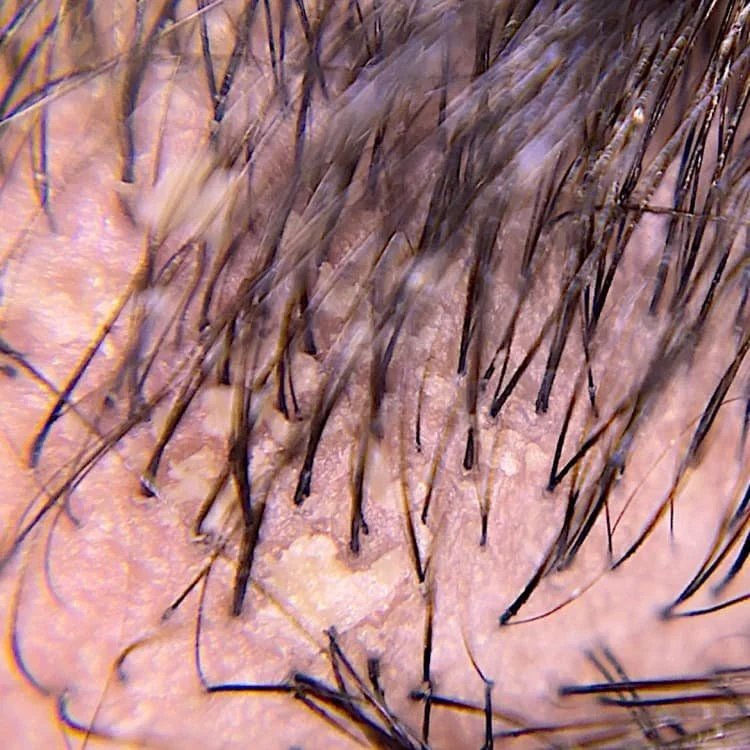
What causes an oily scalp?
The scalp, like other areas on the body, naturally produces oil (or sebum) – a mixture of triglycerides, wax esters, squalene and metabolites of fat-producing cells. This sebum is designed to help lubricate the skin and hair, keeping it moisturised and water-resistant.
Too much sebum can not only block our pores (a potential cause of spots), but also travels down the hair shaft and leaves our hair feeling greasy, limp and dull. Understanding what causes greasy hair and an oily scalp is key to choosing professional-grade care that helps restore balance.
Hormonal fluctuations
Hormones play a key role in sebum production. It is common to experience greasy hair during times of your life when hormones are unbalanced, in particular adolescence, pregnancy and the menopause. Remind yourself that your oily scalp is temporary, and use haircare designed to soak up excess oil while your hormones are sorting themselves out.
Skin conditions
Oily hair can often be a symptom of a skin condition on the scalp. The most common of these is seborrhoeic dermatitis, sometimes called seborrhoea or seborrhoeic eczema, and is not just limited to the scalp. Symptoms include red patches with yellowish or oily scaly skin and flaking.
See a dermatologist if you think your oily scalp might be due to an underlying skin condition, as medication might be your best oily scalp treatment.
Overactive sebaceous glands
The most common oily scalp cause is excess sebum production. When sebaceous glands are overactive, often due to genetics, they release more oil than the scalp needs, leaving your hair greasy soon after washing.
Some of us are just born with skin (including the scalp) that naturally produces higher levels of oil. It's common for those who suffer from acne, for example, to also experience oily hair.
Haircare
The way you treat your hair directly can affect how greasy it looks/how quickly it gets greasy. Overwashing is one of the most common mistakes, which can strip away precious oils, and has been reported to cause the skin to go into sebum overdrive to compensate.
The result: an oily scalp that quickly spreads down the lengths of the hair. Don't slip into the habit of over-washing. If your hair often looks oily by midday, bring a bottle of dry hair shampoo in your handbag. Spray over the roots, leave for a few seconds, then use (clean) fingertips to disperse the spray and soak up excess grease. You'll also find it gives you added volume!
Using the wrong haircare products
Heavy, overly rich formulas or products not designed for oily scalps can weigh hair down and contribute to buildup. This can trap oil at the roots and make the scalp feel greasy faster.
Product buildup on the scalp
Styling products, dry shampoo and even shampoo residue can accumulate on the scalp over time. This buildup can disrupt the scalp’s natural balance, often making oiliness more noticeable.
Touching or over-brushing the hair
Hands off! It's hard to realise when you're doing it, but constantly playing with your hair can spread oil, dirt and bacteria, turning your hair greasy within hours. Once you've styled your hair in the morning, try to leave it alone for as long as possible. Styling your hair into a pretty updo or braid can be a good way of keeping it out of your hands.
Environmental factors
Our everyday environments have a more important role on our hair health than you might realise. Not to mention the wind and rain that can disrupt your carefully constructed style, often forcing us to over-style our hair and cause build-up that then weighs the hair down.
Heat, humidity and pollution can all contribute to an oily scalp, and these external stressors can increase sweat and oil production, leading to greasy hair.
Stress and lifestyle factors
High stress levels, lack of sleep and dietary imbalances may influence hormone levels and scalp health, potentially triggering increased oil production.
Signs you have an oily scalp
It’s normal for your scalp to produce some oil – sebum is essential for keeping hair hydrated, shiny and protected. A healthy scalp will have a light, natural sheen and your hair will usually feel clean for a couple of days after washing.
An oily scalp, however, goes beyond this natural balance. When sebum production ramps up, hair can appear greasy within hours, feel heavy or sticky at the roots and may develop product buildup more quickly. Unlike normal oiliness, an oily scalp often feels uncomfortable, looks visibly shiny, and can make styling more challenging.
Recognising these signs is the first step toward choosing a professional-grade routine that restores balance without stripping essential moisture. Just like greasy hair signals excess oil, a dry scalp highlights a need for hydration - discover our tips for managing dry hair and restoring moisture.
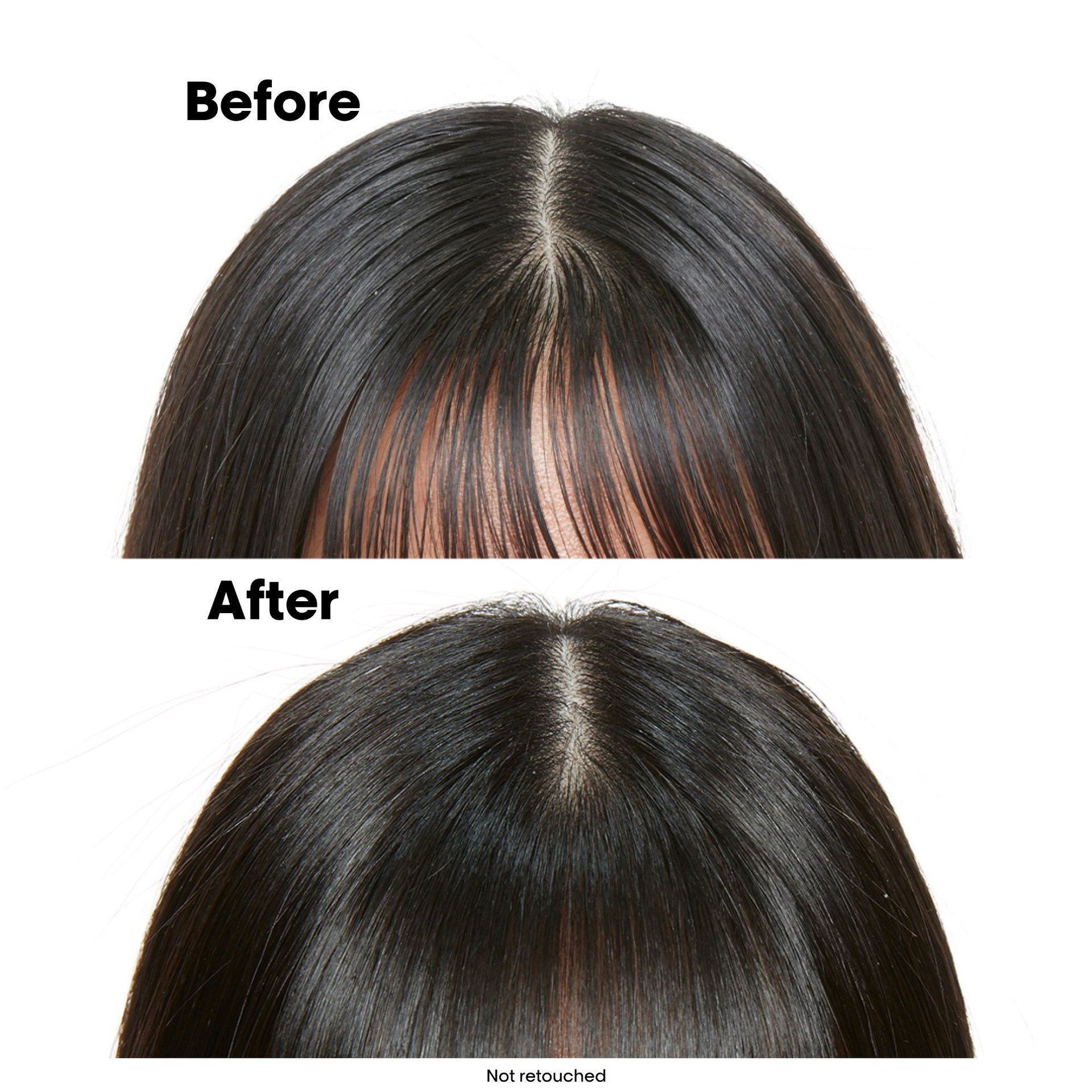
How to get rid of greasy hair
Managing an oily scalp and learning how to get rid of greasy hair is all about restoring balance, not stripping your hair of its natural oils. Here are some key tips to keep your roots feeling fresh and your hair looking sleek and soft.
Wash hair at the right frequency
Over-washing can trigger more oil production, while under-washing can lead to buildup. Find a routine that cleanses your scalp without stripping natural oils, typically 2-3 times a week, depending on your hair type.
Use specialist haircare products
Choose professional-grade shampoos and treatments designed for oily scalps. Lightweight, scalp-focused formulas help absorb excess oil, remove buildup and maintain a healthy scalp.
Manage stress levels
High stress can influence hormone levels and increase sebum production. Incorporate stress-reducing activities like exercise, meditation and make sure you’re getting enough sleep.
Maintain a balanced diet
What you eat affects your scalp health. A nutrient-rich diet with plenty of water, protein and essential fats can help regulate sebum production and promote stronger, healthier hair.
Avoid over-touching or excessive brushing
Running your hands through hair or over-brushing spreads oil from the roots and can stimulate further sebum production. Keep hands and brushes away as much as possible.
Be mindful of styling products
Heavy styling products can weigh hair down and trap oil. Use lightweight, scalp-friendly products sparingly, and ensure thorough cleansing during washes to prevent buildup.
Discover professional-grade scalp treatments to target oily scalp and maintain long-lasting freshness and shine.
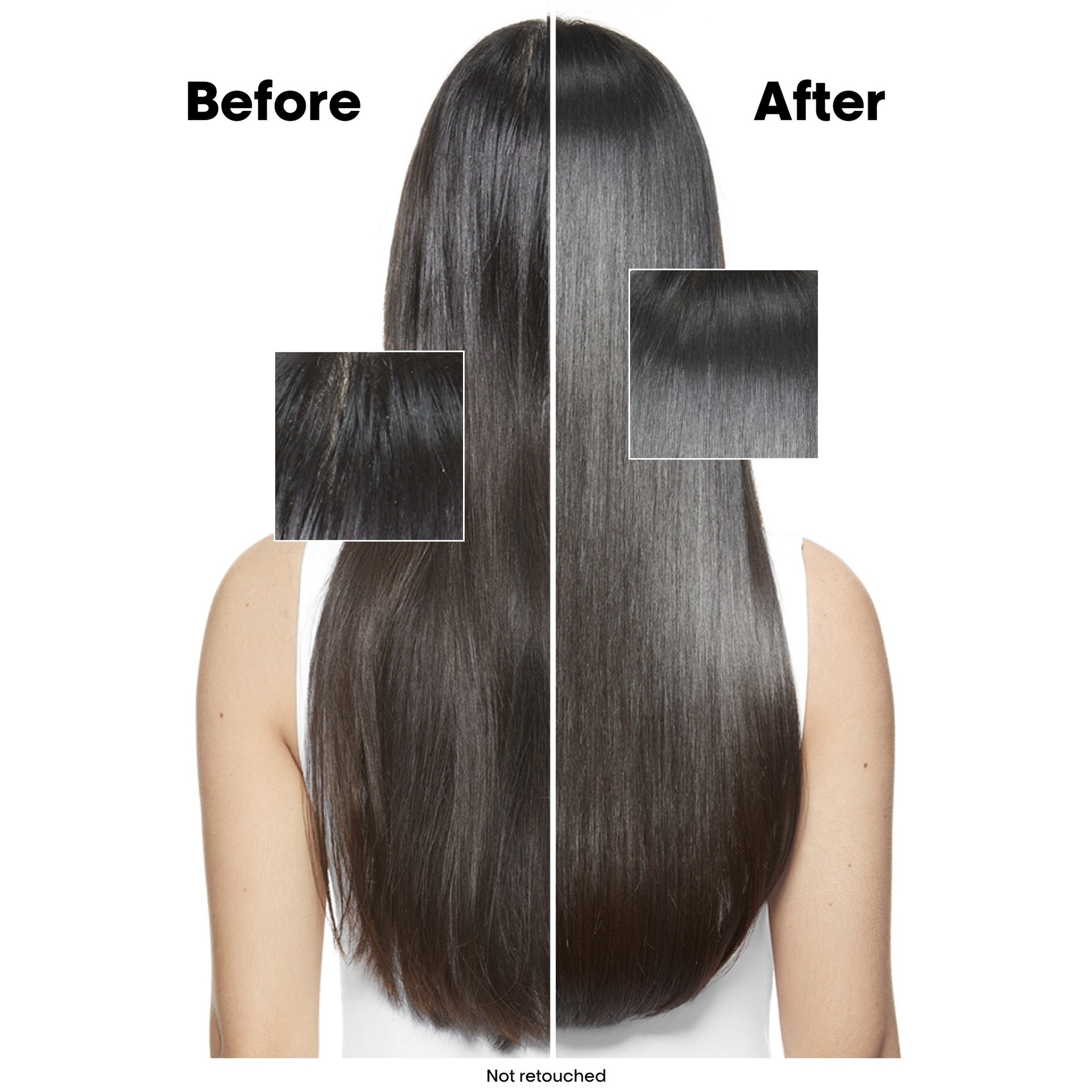
Haircare routine for oily scalps
Here’s a step‑by‑step haircare routine designed to keep an oily scalp balanced and hair feeling lighter, fresher and more manageable.
Step 1: Cleanse
Begin with a scalp‑focused shampoo like L’Oréal Professionnel Scalp Advanced Anti‑Oiliness Shampoo, which gently purifies and removes excess oil, sweat and residue without over‑stripping. Wet hair thoroughly and apply the shampoo to the scalp. Lather gently with fingertips, then rinse fully.
Step 2 (Optional): Deep purifying mask
L’Oréal Professionnel Scalp Advanced 2‑in‑1 Anti‑Oiliness Clay is a versatile formula that can be used as a shampoo or a mask to remove excess oil, sweat, and buildup while deeply purifying the scalp. Hair feels refreshed, weightless, and full of body.
After shampooing (or on alternate wash days), apply the clay to the scalp and leave on for 3-5 minutes before rinsing to deeply purify.
Step 3: Soothe and comfort
Calms sensitive or itchy scalps without weighing hair down with L’Oréal Professionnel Intense Soother Treatment for Anti-Discomfort. Enriched with Niacinamide, it helps regulate and comfort the scalp while leaving hair smooth, detangled and nourished.
Apply evenly on a wet scalp and hair after shampoo. Gently massage with circular movements and with the softest part of the tip of your fingers. Leave on for 3-5 minutes before rinsing thoroughly.
For more advice, like understanding why your scalp feels dry, itchy or flaky, take a look at our haircare hub.
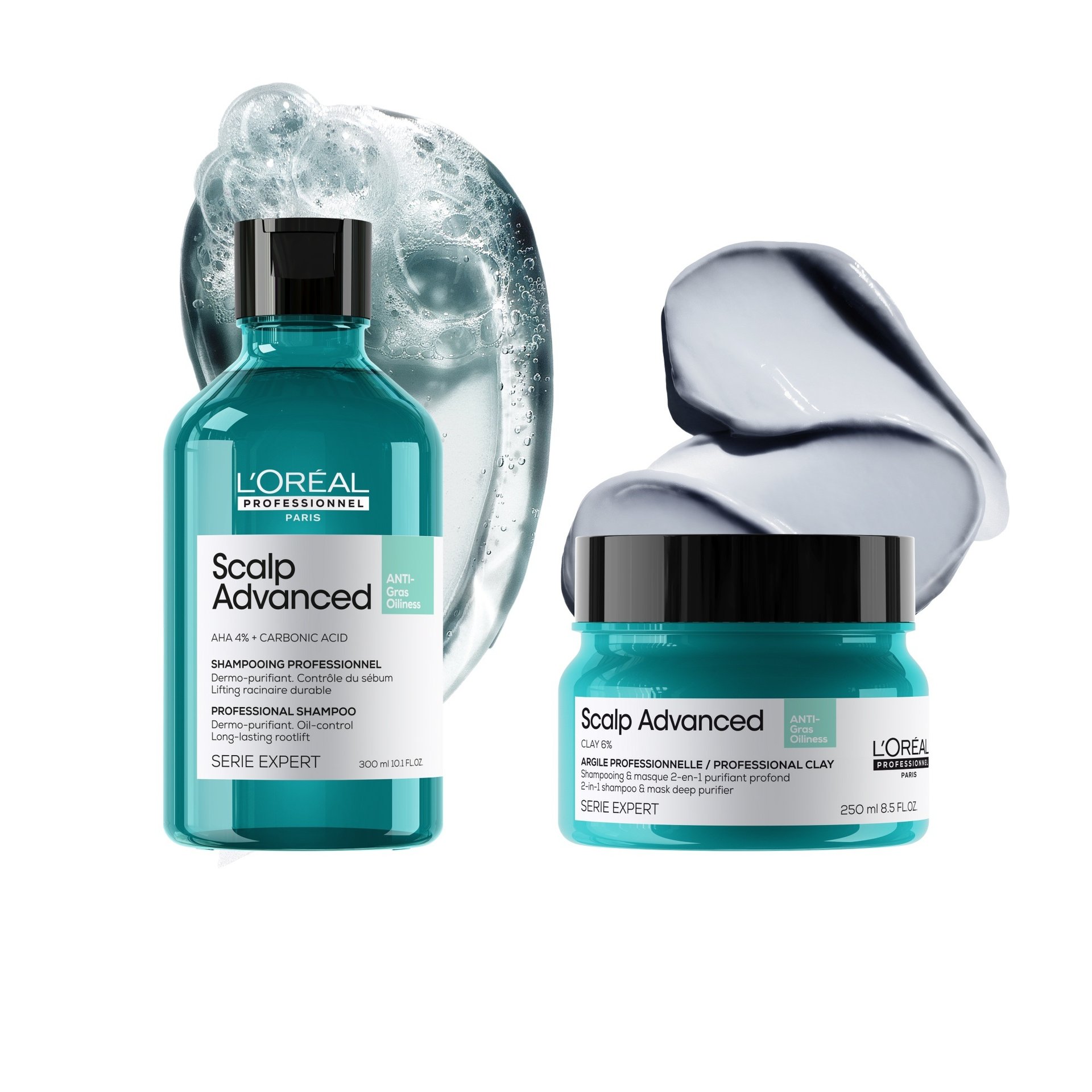
Discover haircare for oily scalps
Keep your scalp balanced and hair looking fresh with professional-grade solutions from L’Oréal Professionnel. From targeted shampoos to soothing treatments, our products are designed to manage oiliness while maintaining healthy, beautiful hair.
Oily scalp causes and treatment FAQs
Why is my hair greasy after washing it?
Hair can look greasy soon after washing if your scalp produces extra sebum. Washing too often can actually encourage more oil production, so using a gentle, scalp-focused shampoo can help balance things out.
Why does hair get greasy overnight?
Even while you sleep, your scalp keeps producing oil. Warm pillowcases and natural sebum can combine to make hair appear greasy by morning.
How can I tell if I have an oily scalp?
If your roots feel heavy or sticky, look shiny just hours after washing, or product builds up quickly, you may have an oily scalp. Unlike normal oil, it can feel uncomfortable and make styling more challenging.
Does exercise make hair greasy?
Exercise itself doesn’t cause oiliness, but sweat can mix with natural scalp oils and make hair appear heavier. Rinsing or using a gentle scalp-focused cleanse after a workout can help.
Why is my scalp oily?
Oily scalps are usually caused by a number of things, like overactive sebaceous glands, hormones, stress, or genetics. Over-touching, heavy products, or frequent washing can also contribute to excess oil.