There’s a hidden hair nemesis hiding in our shower pipes: hard water. If you live in a hard water area and your hair looks dull, dry, or frizzy, it might be time to look at the impact of mineral buildup on your hair.
Hard water is a common challenge, but living in a hard water area doesn’t mean you need to resign yourself to lifeless hair. Understanding the impact of hard water on hair is key to restoring its natural strength and shine with the right products and practices.
In this guide, we’ll explore the relationship between hard water and hair, helping you spot common signs of damage, understand the lasting hard water effects on hair, and discover expert solutions to get your hair back to looking its best.
Article Contents
- What is hard water?
- Hard water effects on hair
- Signs and symptoms of hard water hair damage
- How to prevent and repair hair affected by hard water
- Haircare products to help with hard water damage
What is Hard Water?
Let’s start with the essentials: What is hard water? Hard water is water that contains high levels of dissolved minerals, primarily calcium and magnesium,
according to the Drinking Water Inspectorate (DWI). While these minerals are harmless to your overall health, they can have significant effects on surfaces — including your hair.
Many areas across the UK have hard water, including:
- The South East
- The Midlands
- The South Coast
- The East of England.
If you live in one of these areas, understanding what hard water does to your hair is the first step in restoring your hair to its natural glory.
Hard Water Effects on Hair
So, what does hard water do to your hair? In a nutshell, the minerals in hard water coat strands of your hair with a residue. This mineral buildup stops hair from absorbing moisture, leading to
dryness and dullness. Over time,
studies have shown hard water can weaken your hair, making it more prone to dreaded breakage.
When left unchecked, the hard water effects on hair can cause long-term damage, leaving your hair fragile and lifeless. In more severe cases, hard water and hair loss can become a concern. Mineral residue from hard water can irritate the scalp, weakening your hair follicles and affecting hair growth, which can lead to
hair thinning or excessive hair fall.
Can Hard Water Damage Hair?
While heat, bleach, and chemicals are well-known causes of damage, hard water hair damage is a concern too, especially if you live in an area with mineral-rich water. As hair becomes increasingly dry, brittle, and lacklustre with frequent washing in hard water, it can become more prone to damage. Hair strands are made of keratin, which can lose their elasticity and resilience when deprived of moisture.
If that wasn’t enough, the constant exposure to hard water can also make other hair problems worse, like
frizz and
split ends.
In the long run, hard water
hair damage can lead to a noticeable decline in the health of your hair.
Hard Water Hair Symptoms: What to Look For
So, how can you tell if you have hard water hair damage? The effects of hard water on your hair are often subtle at first, but over time, they become more noticeable.
Look out for the following signs:
- Dull, dry, or brittle strands: Hard water strips moisture from the hair, leaving it dry, lifeless, and prone to split ends and breakage.
- Frizz or unmanageability: The mineral buildup on the hair’s surface can disrupt its natural texture, leading to frizz and making hair difficult to style.
- Colour fading faster than usual: Hard water can cause colour-treated hair to lose vibrancy more quickly, as the minerals interfere with the colour molecules.
- Scalp irritation or buildup: Mineral deposits can build up on the scalp, causing irritation, itching, or a feeling of heaviness.
- Hair loss: In extreme cases, hard water can cause excessive hair shedding, making your hair appear thinner around the scalp.
If you notice any of these hard water hair symptoms, it’s time to take action.
How to Prevent Damage from Hard Water
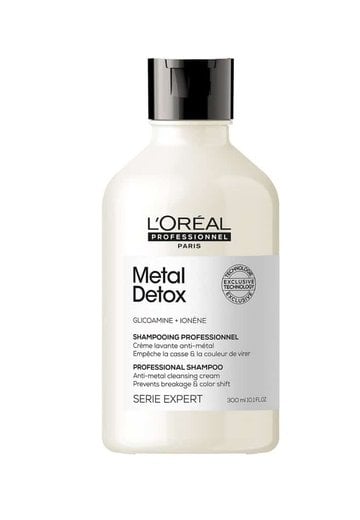
Protecting your hair from hard water damage starts with the right haircare for hard water. To prevent damage from hard water, you need a shampoo designed for this. The best shampoos for hard water are specially formulated to neutralise and remove mineral buildup in your hair, such as
L'Oréal Professionnel's Metal Detox Shampoo.
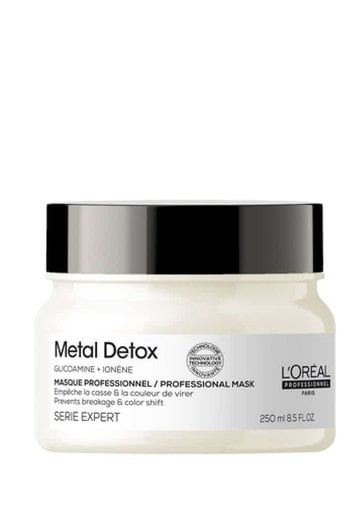
As well as using the right shampoo and conditioner, incorporating weekly deep conditioning treatments can help to restore moisture and combat dryness caused by hard water.
L'Oréal Professionnel's Metal Detox Mask helps prevent breakage and
premature colour fade caused by metal particles in water.
To tackle hard water at the source, you can also try installing water softeners or filters to reduce mineral content in your water before it comes out of the shower. These work by physically removing unwanted minerals from your water as it passes through the filter.
How to Repair Hair Damage from Hard Water
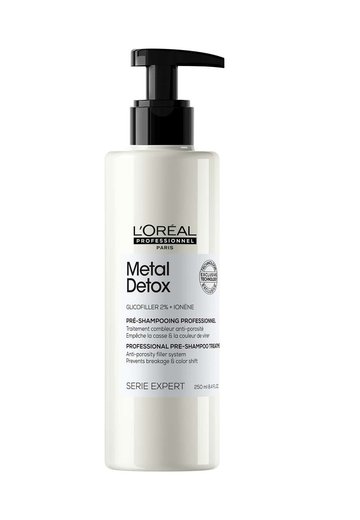
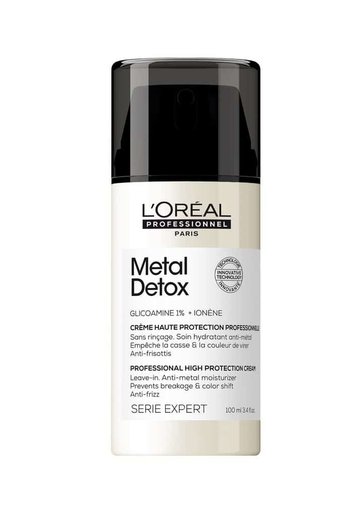
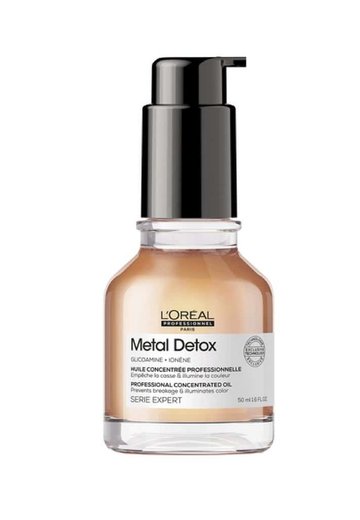
If hard water has already left your hair looking lacklustre, fear not. Armed with the right products, you can fight back against hard water hair damage. Enter
L’Oréal Professionnel’s Metal Detox range, a range of pro-approved hard water hair treatments to help remove metal build-up, protect colour, and repair damage. Hair is left up to 2x shinier*, with up to 99% less hair breakage**.